EP 60 - Reclaiming Religious Freedom in an Authoritarian Moment
How Faith Communities Can Protect Trans People
Transcript
Welcome to Engendering Authoritarianism, a partnership between the Othering and Belonging Institute and OverZero. In this special series of the Who Belongs podcast, my co-hosts Laura Livingston, Tara Chandra, and I, Míriam Juan-Torres, speak with practitioners, activists, organizers, faith leaders, and scholars who are responding to the ways political and cultural leaders weaponize gender to advance authoritarian practices.
Laura LivingstonHello, we are back with another interview for the Engendering Authoritarianism Project, which is a collaboration between the Othering and Belonging Institute at UC Berkeley and OverZero, which looks at the ways that political and cultural leaders leverage gender in ways that consolidate their power. I am Laura Livingston, the Senior Director of Field Support and Strategy at OverZero, and I am joined by Míriam Juan-Torres, the co-director of research at the Othering and Belonging Institute. Today we are honored and excited to interview Reverend Laura Randall, who is the director of congregation relations at the Unitarian Universalist Services Committee, or UUSC, and Heather Vickery, the coordinator for congregational activism, also at UUSC. Without any further ado, we would love to pass it over to our 2 guests and, and ask for you to introduce yourselves and share a bit about what you are working on.
Laura RandallThank you so much, Laura and Miriam. It's really great to be here. So I am Laura Randall. I use she/her pronouns, and as you said, I am the Director of Congregation Relations at the Unitarian Universalist Service Committee. And a big part of my work is helping connect congregations to the work of UUSC, and a piece of that is helping lead our accompaniment programs. which involves congregations coming together to support as a community people who need that sort of support who are coming into their communities. So we do this with asylum seekers, and more recently we are doing this with the Pink Haven Coalition, who is helping trans and gender-expansive people leave legislatively unsafe states to get to safer states. And I will turn it over to my colleague Heather.
Heather VickeryHi all. Yeah, thank you so much for having us here. My name is Heather Vickery. My pronouns are she/her. I'm an organizer mostly, so as coordinator for congregational activism, I get to support congregations and other groups across the country to do their justice work more faithfully and effectively. And so my organizing experience is mostly with migrant justice and now deeply working with the Pinkhaven Coalition for Trans Liberation. And I work mostly on accompaniment and harm reduction types of organizing, both at USC and sort of outside of my paid role there.
Míriam Juan-TorresYou've both mentioned both work with migrant and asylum seekers and the trans community. And it seems that USC is very aware of the way in which communities, these two in particular, are scapegoated as part of this authoritarian strategy to gain power. So we would love to learn more about the way in which UUSC understands this nexus between the scapegoating and in particular gender and trans communities and their relationship to democracy and countering authoritarianism.
Heather VickerySo UUSC was actually founded in this very principle. Unfortunately, I guess, UUSC was founded during the rise of Nazi Germany. And it was a very— in the very beginning, minister and his wife were sent to Europe to support folks getting out of Nazi Germany, getting away. And, and so there was always a clear sense in our faith that harm reduction and making sure folks survive these upswells of authoritarianism is one of the best ways to also resist them.
Laura LivingstonRight.
Heather VickeryNot let them continue to make to do that harm. I'll have Laura go a little bit more into it because I think she has a better blurb too.
Laura RandallThat is part of our DNA as an organization is this harm reduction strategy and trying to save people who are being scapegoated and targeted by authoritarian regimes and doing that in a in a holistic way of partnering with the affected communities, figuring out what they need most and trying to adapt to meet those needs. So at the time in World War II in Europe, the Unitarian Service Committee at the time was figuring out what was needed and shifting that. So first we started out in Czechoslovakia and we were helping folks move from there. We went to Vichy France after Czechoslovakia was no longer a safe place to work. And we're helping organize children's transports and that sort of thing to get kids out of the country, mostly to Britain. And ultimately, we had to move our resources and operations to Lisbon, Portugal, which was one of the few open ports out of Europe at the time. And a lot of refugees were coming there hoping to get the necessary paperwork, which was almost impossible to get in order to leave Europe altogether. And seeing this situation, USC started forging that paperwork so that people would be able to flee the country and get to safety elsewhere off the continent. So that is sort of our DNA, our roots. And ever since then, we have been partnering with marginalized communities who are being targeted based on their identity or just because they're standing in opposition to an authoritarian force. And we continue to do that to this day. And that really has led us to a lot of the work we've done in partnering with migrant communities. We want to partner with them in their right to protect the land and stay where they are safely. We want to have their rights respected as they are traveling to a new location, and we want to protect their human right to migrate. And that means internally as well. So trans folks in the United States right now meet the definition of internally displaced people by the UN. And so that is a big piece of why we are partnering with communities that are trying to protect trans and gender-expansive people at this time.
Heather VickeryAnd we've, we've always focused on within our crisis response work, because we have migrant justice, climate-forced displacement, and crisis response. All across of that, it's, it's movement, right? Is being able to move as needed. Um, and in crisis response, we've really been clear that we need to focus on the folks that other organizations kind of leave behind. And so when we're working with migrants, it's often the, you know, disabled migrants, trans, queer migrants, um, you know, any, any of those groups that have multiple identities that might leave them behind and make this even worse for them. We're not the biggest organization, but we can focus on those groups and, and really prioritize their needs and their, their guidance and leadership on how to make this, how to solve this issue.
Laura LivingstonThank you so much. This is such powerful work. You, you mentioned how UUSC's roots are in responding to fascism in the 1930s and in Nazi Germany. And it's very obvious that this social justice work that you continue today is deeply intertwined with your faith. And I was just wondering if you could speak more about the connection between this and how you see it as rooted in your faith.
Laura RandallUnitarian Universalists are a relatively small faith movement. Then we live mostly in North America, and we have frequently been overrepresented in social justice movements. And at— I don't want to, like, give us awards right now, but we'll ring our bells a little bit. We are frequently at the forefront of social change movements of things like voting rights, of things like abolition, of women's rights, of queer rights. And this has always been a very foundational part of our faith is that each and every person is whole and holy, and that we are all connected to each other and responsible for one another. We could have a whole series of shows, I suppose, talking about the history of our theology and how we got here, but essentially Unitarian Universalist communities come together because of how we want to be together as a community, not because we all believe the same things, although we do come together around those foundational principles of love being at the center of each individual is worthy and whole, and that we are all connected and responsible for one another. So within our communities, we have people who believe in a divine force, we have people who do not, we have people who are very comfortable with more traditional churchy things and hymns and things that are very part of the Christian zeitgeist in America, and a lot of people who came from other traditions or keep other spiritual practices as, as whole. We bring all of those into our communities and we celebrate them. Pluralism is one of our foundational values as well, in that we believe that there is wisdom of each person's experience, wisdom in these traditions, and that The unfolding of this experience we call life and throughout history is still being revealed, is still something that we're exploring. We'll never fully get to this beloved community, but it is our responsibility to keep working towards it. So all of these things really bring together a lot of folks who maybe didn't always feel like they fit in wherever they were raised in the dominant culture. And so we have this kind of beautiful, messy band of pilgrims from all over who come together and want to work on this vision for an inclusive future together.
Heather VickeryI mean, for me, my faith is intertwined with social justice work. It cannot be separated in any way, shape, or form because of that piece of belief that We, we can all have ideas about what's going to happen after this world, um, or what happened before, but we don't really know, um, and we, we can't know. What we do know is we're here and we're together, uh, and so we have a choice of how, how we want to be together in this world. And, you know, um, I, I will get a little theology nerdy, but, um, we have this controversy in one of our, our pieces that the Universalists, um, the Universalists believe that all are, you know, all are eventually, um, reconciled with God and, uh, you know, universal salvation. But they had a disagreement about whether there was some time of punishment or not, um, after, after death. And the ultra-Universalists said that there's no hell whatsoever, that no loving God— the only hell That exists is what we create together on Earth, that a loving God wouldn't have that or create that afterwards. So it's immediate reconciliation with God after death. For me, I'm kind of the ultra, ultra universalist, right? I don't necessarily believe there's a hell or a heaven. So our choice is, will there be hell or heaven here on Earth? And so every day, are you going to make this more like heaven? Are you going to make it more like hell? That's, that's the big question. And as I— the way I see our theology is we're sort of opposite to fascism, right? If you think of fascism's aim, right, it's certainty is a big part, right? You believe what the leader says and you are certain of it and you don't question it and you just go with it, right? And man, UUs, we love to question. You can't go into a UU community and try to lay down the law. That's just not gonna happen. It's not gonna work well. We, you know, there's lots of UU jokes where if you have 2 UUs in a room, you'll have 5 opinions. You know, that's just how we are. We love the search for truth and meaning. We love questioning things. You know, we also try to lean into, you know, it's not always successful, but love and joy. You know, love at the center. And that is, you know, I think authoritarianism leans into fear. Right? Fear and scarcity, that's what helps control folks. And so we present the opposite there. Fascism also wants a really, really solid structure about what— how families look, because that sort of— it protects the idea of the authoritarian father figure, right? If you have— if you believe that you can be a single woman dog mom, as you saw my dog kind of go up behind me, and that's okay. That is outside of the order of the strong father figure authoritarian kind of presence, right? Everyone, every household should match the, the structure of power, right? Exactly. And so being in a queer relationship is inherently threatening to that. Being in— being trans, saying that you are different from what people said you were at birth threatens that. Um, whereas, you know, authoritarians don't like that and push against it, right? We understand that the world is better with diversity, that it's not always more comfortable with diversity, but that it's better and richer. And that for all of us to be— for any of us to be free, all of us have to be free. And that means fully free to be ourselves, to be weird, to be queer, to structure our lives in ways that work for us, because it's going to be different for every person and every family.
Míriam Juan-TorresTying back to that, authoritarian actors have strategically leveraged, oftentimes, claims of religious freedom to curtail the rights and freedoms of targeted groups. You guys seem to be doing the opposite, but also on religious grounds. Could you tell us a little bit more about that?
Heather VickeryYeah, it's interesting. Whenever I hear this current U.S. administration and other sort of more authoritarian groups talk about religious freedom, it's sort of doublespeak, right? You go back to the George Orwell that you read in school, right? It's because to me, it's not actually religion and it's not actually freedom what they're talking about, um, because that would require diversity, right? If you actually believed in religious freedom, you would have to say, hey, you use. You believe in the inherent worth and dignity of all people, so you need to be able to practice that. Um, in the Pink Haven Coalition, a lot of Quakers are involved, and one of their reads is, you know, their, their core— a core theology that I understand it is that God is present when everyone can be together and worship together. That's why they're kind of— they're quiet together, and God comes to them in community. And so by, you know, I think one of the arguments they had against the sensitive places, um, the change where ICE could go into sensitive places was that that was in fact, um, trampling on their religious freedom because they couldn't worship fully if people were afraid to be in their community that God was calling to be in their community. So, you know, when I, when I hear that from the authoritarians, it's It's the doublespeak for Christian nationalism gets to win. Stop talking about this, right? Or Christian nationalists get to feel free. And I don't feel a lot of faith or love in Christian nationalism when I hear— as someone who is not a Christian but who has read the Bible and finds a lot of wisdom in there, I don't understand where they get a lot of their beliefs. when saying they live biblically or any of those things. So, um, I think, I think our version of religious freedom is actually religious freedom, right? It's trying to actually live into those 2 words. Um, again, I just think it's doublespeak when I hear it otherwise. Um, I don't see much of either in that statement.
Laura RandallAnd we've been trying as Unitarian Universalists and with other progressive faiths to push back on many of the authoritarian incursions into our freedoms via the religious freedom route, because I think for many people that still carries some weight. And so, for instance, so we have a very— democracy is also one of our core values as Unitarian Universalists. So we create Um, the— if we're following any rules, we are voting on them together, and, uh, congregations send delegates to our annual meeting, and things are discussed there and then voted upon. And a few years ago, we voted upon making a religious statement that trans and gender-expansive people are, are whole and holy, and their presence in our communities is vital to who we are as Unitarian Universalists. And we did that Knowing that there were the authoritarians were gaining power and that there was a very real possibility that unfortunately came to pass that the Trump administration would come back into power and be worse than ever. And we saw Project 2025, all of this stuff. So we wanted to be ready essentially to take these things to court on a religious freedom basis that these these laws and executive orders are in fact trampling upon our own religious freedoms.
Laura LivingstonThank you. It's such important and strategic work as well. On a few instances, you have mentioned your work with the Pink Haven Coalition, and I'm wondering if you can share more about the coalition and its work overall.
Laura RandallYeah, so the Pink Haven Coalition was started by trans folks who were gathering up like-minded individuals, and they approached UUSC and the UUA, the Unitarian Universalist Association, and offered, like, this is what we're trying to do, what we're trying to build. We're trying to build small networks to move people to safety, and might Unitarian Universalist congregations want to be a part of this work? And of course we did. Really, we've been closely working with them ever since, and along with our UU congregations, on providing tangible support where it is needed and in the ways that it's needed for individuals and families to be able to find some safety.
Heather VickeryAnd it's important to note that the, the founding organizers actually saw the writing on the wall well before this administration happened or the voting, you know, because it's not just this administration. One of the things that we're really clear about is that it's one of the symptoms, not the disease itself. Years before the federal election and Trump 2.0, many states were already criminalizing trans folks, gender you know, non-binary, Two-Spirit folks. And also just to put them in the mix because it's often forgotten, that's, you know, this group is often forgotten, but most, many of these laws are also negatively impacting intersex folks, right?
Laura LivingstonYeah.
Heather VickeryYou know, they prove that sex isn't a binary even, right? And so, but they're often just like not mentioned at all. And, um, you know, so there were a lot of states already just passing horrendously anti-trans laws. Um, I think specifically, I think of Florida, um, Texas, uh, you know, but it was across the board, right? And, and if you remember, a few years before that, there was actually a massive backlash against a North Carolina anti-trans bathroom ban. And that was shut down. And then basically we lost that, right? And/or they learned from that and they figured out how to do it. And their continued over decades process of sort of stacking the courts to favor Christian nationalism and to favor conservatism sort of won out for a while. And so we have these laws in the books that, um, criminalize trans folks, but even more, they embolden the folks that are on board for fascism and for authoritarianism. And so right now, in this process of increasing fascism in our country, it's not as much the, the the, the state violence. It's actually often the sort of on-the-street fascism violence that is causing the movement. Obviously the state laws are very damaging, but the biggest effect they're having is they're emboldening the violence of street-level folks. Um, and we've seen that it's— we don't see consequences, right? Uh, when these attacks are happening against folks, when the threats are happening, they, you know, trans folks aren't able to ask for safety. And so, um, that was seen well before, and it's obviously just gotten, um, worse and worse in certain places, but kind of worse everywhere with, with, uh, this administration as well.
Míriam Juan-TorresYeah, and this is one of the things that we looked at in our Engendering Authoritarianism project as well, how the targeting of trans communities, um, and other LGBT communities and women as well, it's a pathway towards legitimizing or expanding political violence. And so the Pink Haven Coalition created this network, and it's very reminiscent of mutual aid. We were wondering if you could tell us a little bit more about what it looks like in terms of the network.
Heather VickeryYeah, for security, we'll be a little vague, but it is very much based in mutual aid and learning from the ways we've supported migrants, especially through the sanctuary movement and in supporting sponsoring migrants that otherwise wouldn't be able to survive. They're, you know, without being able to work or live in their asylum cases. But the biggest piece and the piece that Laura and I are most involved in is supporting congregations and interfaith groups and groups with people of no faith that come together in particular safer places. to build what we call welcoming villages. And so those groups are looking and, and building themselves as mutual aid, you know, we support them in understanding that there's actually no difference between the folks that are helpers and those who are getting supported, right? This is about building the community we want. And they'll offer things like supportive housing because that's often, you know, the trans folks fleeing these unsafe states are often underemployed and have been for a long time, underhoused, et cetera. And so moving across the country and then also trying to afford first/last security deposit in a more expensive state, because that's almost always the case as well, is kind of impossible, right? So supporting people's housing while they get, you know, get their legs under them, as it were, Supporting them in understanding the systems of the state they're in and how to get residency to get to the point where they can get a driver's license, they can get health insurance, all of that. Supporting them in making sure they can eat, right? Either, you know, us, our UU congregations, we love to make food for people. It's like one of our favorite things. So that's always an option usually, or, you know, we identify where the food banks are beforehand. They might do collections like grocery gift card collections, et cetera. So that when folks sort of land, they're not having to do all that day-to-day as well. Because what we also know is that these folks are incredibly resilient. They got themselves out. We supported it, but they got themselves out. And when there's some sense of safety, often that's where the trauma kind of comes crashing down. And so if you can support daily needs, you can support that and, and have folks checking in on people saying, how are you doing? Want to grab some coffee? You know, do you need anything? Can I help you get appointments set up? Or any of those things, um, can just be the difference between someone, um, arriving and having to go back to an unsafe place because they just can't. kind of manage being in a new place, um, or honestly being unhoused or having severe mental health crises. Sometimes it still happens, but we, we reduce the harm of those moments.
Laura RandallAnd a lot of the folks that we're helping support also have intersecting things in their lives too. It's, it's, um, they're trans, that might be the primary reason they're trying to get to a different place, And often they also have a disability or they are neurodivergent in some way, or they, they just need a little bit of extra support and have been dismissed, disregarded, harmed through state violence in a variety of ways, be that actual violence or bureaucratic violence of a state that does nothing to support you in any way.
Laura LivingstonThank you. And, and you've spoken to how the current environment and scapegoating of trans people did not emerge in a vacuum, and how for a long time you were following as these state laws were popping up alongside dangerous rhetoric targeting these groups. And so I'm wondering if you— if there was a specific event that kind of sparked the idea for, um, the Pink Haven Coalition in this environment that was that was so progressively targeting trans people or what the backstory is of coming up with the idea for it?
Heather VickerySo we are not the founding organizers. We work with them. We are definitely part of that organization and network now. But I think it was a lot of little things. The founding organizers have deep, deep experience in organizing. both with indigenous communities, with queer communities. And so I don't know that there was one thing that said it. It was that. And that's— I think that's often what we need to pay attention to, right? And if you look at the success of the Christian nationalist movement, it's because they keep chipping away and they do something that's just a little bit more suspect instead of these big things. And like, one of the things that I'll mention is right now the FCC, the Federal Communications Commission, they have a rule proposal out right now where they're— it's open for comments for 2 more days. It's probably going to miss this time, but they are proposing to, to add a warning label to all TV shows that have trans characters or that have any kind of gender conversation in them. And they're framing it as, you know, um, like parents should be able to protect their kids and all of these, but they're not saying how it equates trans people to violence and explicit content. But that those are the only 2 other things that get warning labels. Um, and it's just another one of those chips. If we can erase trans people from public life, it's a lot easier to get rid of them. Right, or scapegoat them because they're—we're not seeing the humanity in them everywhere. And I think that's what was seen is that slowing, that that chipping away, right? And it so often happens with youth. That's usually where the attacks start because people—it's really easy to trigger fear in parents and people who have children that they're that they love in their lives, and so they use that. Right. And so you— that's where you see sports bans for youth, you know, youth sports, when trans kids playing is such a small percentage. And it's, you know, it's a— it's not really a problem if you see anything, right? But they make it a problem so that they can start the process of saying trans women aren't really women or trans men aren't really men. Um, and, and so you have to watch for those those little steps and not let yourself be the frog in boiling water. Which I think— so the founding organizers really understood that and saw it. They understood the temperature and kind of made the move to talk to us and to build this network.
Laura RandallYeah. I think too that both the organizers of the Pink Haven Coalition And so many other just informal queer communities have been providing this sort of care for so long for each other. And I think the Pink Haven Coalition folks just saw that the need was getting so great and it was gonna get great very, very quickly over the next few years that the invitation for more folks to join them and to offer the sort of support that queer communities have been offering for generations needed to have a structure and be put together now in order to survive this next wave of fascism.
Míriam Juan-TorresAnd so you've been part of this coalition that's been Translet, and we were wondering if you— what were the strategic considerations in putting together the coalition, considering there's been a mention to security, to warning signs, but we're wondering if you could share a little bit more about those strategic decisions, how you went about becoming part of the coalition and making decisions together.
Laura RandallYeah, well, part of that is that Heather and I are here. I am a cis woman and we have some societal privilege to be more forward-facing. So we are frequently out there speaking publicly in congregations and that sort of way because it is safer for us to do so, not because we're speaking on behalf of the trans folks who are actually leading these efforts. But that was something that we, we talked about and considered, um, quite a bit of, of who— of that kind of safety, of the personal safety of individuals in the network, as well as the safety and security of the network as a whole.
Heather VickeryYeah, I think that's a big part of it is we, you know, when we're talking with congregations, we often use Deepa Iyer's Social Change Now, this idea that everyone has different roles and to make movement and change happen. And so, yeah, that's one of the— we were really clear, you know, I'm a queer gender expansive woman, but I can walk around as a white lady you know, just pretty easily. And we both have institutional support in terms of USC. We have family support, all of these things that made it so that we could, we could be the, the front-facing folks. And that's an important role, but it's not leading it. It's not doing all the work. So we, you know, we're, we're really clear about, I think, the ways we all bring different gifts and different risk tolerances to the work. We've also been really clear that we want to organize for worst-case scenario because we just ask ourselves, which way would we want to be wrong, right? If we're overcautious and we're wrong, not a big deal. But if we aren't taking security seriously and we're wrong, people can, you know, people can die, right? People can— Lives can be ruined. So, you know, we organized like Trump was going to get back in office from before we— that was even, you know, a thought for most people. We often are checking back on our security protocols. We don't do anything illegal. Nothing, right? It's not illegal to help people move. It's not illegal to care for each other. Um, but we just, we don't want to create lists of trans folks out there for folks to find. Um, we want to make sure that when folks— I mean, we, people are really fleeing real danger, um, again from that on-the-ground folks. So we, we, we don't want to give details, right? Um, and so we, we really are, are clear there. We silo information, um, and we silo roles as much as possible, which For most of us organizing in different times, you always want to break down silos, right? We often talk about this as like when you're organizing in somewhat more or less fascistic times, right, you're sitting there going like, we need to be communicating, we need to be cross-pollinating, we need to be doing these things. In these times, we're like, actually, the, the most safe thing is to have those separations of information, of understanding. all of that. So for example, as we're public-facing, we don't really ever get connected directly to the folks we're supporting. We don't hear their stories directly. We don't have that. And that's for their safety and for that understanding. And, you know, that's a choice we made, right? And I think we're— sometimes people are like, but I want to do all of it. And it's, we can't, right? We just, one, that's just not possible as human beings. The other piece I really want to say is we really focus on relationship. And I've been really blessed to be part of 2 organizing collectives that really focus on the fact that we're all in this together. The way we treat each other as we organize reflects how we are going to treat the folks we're supporting, that there's no difference there, right? So we are, you know, when we, when we come together and we're talking, it's just so joyful and life-affirming, even when we're talking about really difficult things happening, right? We are, we are not alone. We can have conflict and disagreement in probably the best ways I've ever seen it. happen. It's just we hold each other as fully human and with love at all times. And I think that builds a strong network. It protects us from attack from fascism, right? It's harder to pick apart those types of bonds, and it makes sure that we're doing the work that we're doing with integrity and with care.
Míriam Juan-TorresI'd like to follow up on that because as you guys were talking, you've mentioned that it's almost like a messy board of pilgrims. I, I loved that expression. Um, and you've mentioned that part of the coalition and the people you work with, there's, um, Quakers, there's food banks, there's a diversity of actors. Um, and so, Heather, you were mentioning that there's this real focus on relationship and trust building, but we hear a lot about how big tent organizing and coalition building is a huge part of countering authoritarianism and countering the targeting of marginalized communities. At the same time, it's easier said than done. Challenges do tend to emerge. So we were wondering if you guys have any lessons learned, recommendations when those difficulties emerge when you are building a coalition of diverse actors.
Heather VickeryYeah, I think part of it is often the big tent piece. Where I think it goes wrong is trying to get everyone to be in one organization and one structure instead of a coalition of coalitions. Um, you know, we are really clear, and we, we have this conversation all the time. Everyone in our— in Pig Haven would love to save everyone, but we understand that when you try to do that, you end up, one, coming in patronizing because you're using this savior language, right? Um, but you also just can't do anything really well if you try to do everything. So we are really clear about what we do. Right? We support folks in getting from less safe states to safer states and to make that as successful as possible. And then we're in relationship with groups that do other pieces of the work. And there are, there are other groups that are doing this, you know, some in different contexts, and that's why they do it differently. So there's some groups that are, are based in those safer states, and so they're really focused on just welcoming folks that are arriving there. They don't do the travel piece, and then the security needs are different, right? The way they're going to be able to be together is different. So when we're doing that, when we're focusing on relationship, the first thing we have to figure out is is who are we? What's our role, and what our boundaries are? And it's not about throwing other groups that are outside of that under the bus or trying to. You know, we've had some folks where we. that are doing some harmful things, and we're going to try to be in good relationship and try to be like, hey, can we talk? You know, let's, let's work that out. We've actually had that before, and sometimes we've had to say, okay, we can't recommend you to people, you know, because, um, you know, we have these sets of values, which is what we believe. We're, you know, often it's because maybe there is a cult of personality situation or someone, one person trying to save the world. Which is just not how the world's going to be saved, y'all. And, you know, so it's— I think it's really knowing our role, and we just constantly reassess that. What is ours to do? What are our values and our boundaries? And then let's be in relationship with other groups and not try to be everything to everyone, and instead support the groups that are aligned with our values that are doing other pieces of the work. Um, versus trying to bring them in or control them or be, you know, be in charge. I think that's where some of that— like, we want— they're going to have slightly different values, understandings, and slightly different boundaries and slightly different security things. And it's like, can we be right next to them? Do we need a buffer of space? What's— how do we relate?
Laura LivingstonYeah, absolutely.
Laura RandallAnd, and there's also, um, You know, we don't know what we don't know, and there's been many situations that went sideways in a way that no one was expecting. And there's very much an intentional culture of, okay, how do we meet this need right now that we're here? And how do we come back to this to learn from it, to reassess and— And put, put some structure around like, how do we want to handle this in the future if something like this were to happen again? And I think that real desire for learning and the fact that no one in this has a big ego is just really key.
Laura LivingstonAlso, it's such an effective authoritarian strategy to try and wedge apart coalitions, and we are seeing opposition and pro-democracy coalitions be wedged apart, including over issues related to gender and to trans rights. And as I'm hearing you describe your approach to coalition building, it's— I'm internalizing it as realistic coalition building. But that in itself is also very strategic, because if you're only in a coalition with people who 100% you agree with or you're completely aligned, it's probably not a very strategic coalition and is also one that's more susceptible to, or is not reaching the people that it needs. But if you're also not upfront about the real differences that exist within your coalition, it's one that's susceptible to fracture and to being strategically wedged apart by authoritarian leaders. And so I just, I'm really resonating with how you are describing this. And I'm internalizing it as realistic coalition building. But I wanted to switch gears a bit and ask about some of the impacts of this work that you've seen. And in many ways, the impact is really obvious in all of the people you have supported in getting to safer states and accessing healthcare where they otherwise would not have been able to. But I'm wondering if there are some additional impacts that you would like to speak to or even share more on those as well.
Laura RandallRight. We've gotten to hear many of the incredible stories of folks who have been able to relocate, as well as the stories of, you know, we've made this transition, things are still really hard. Being with that as well. And from where I sit, with Heather and I working with our congregations, a lot of the transformation that I've seen has been among the volunteers in our congregations and in our communities who have a chance to do something really tangible right now. And I think For some folks who are feeling things like despair and hopelessness in this moment, as they're just kind of like in their little bubbles reading the news, and it's just this never-ceasing crashing waves of bad, being able to get out in the community and actually be in relationship and be proximate with the folks That are being targeted right now. And we saw something similar in Minneapolis in January and February, and it continues now, of neighboring, of really just showing up for each other and how soul-fortifying that work is and how transformational it is for everyone involved. And I think that is really the key of If— not if, we are going to survive this moment and the moments to come because we know that many, many changes are coming for us to how the culture and world we've lived in may have been. And these connections that we're forming are going to allow us to build the foundation and resiliency to meet these next moments. in a way that is life-affirming and something to be working towards.
Heather VickeryYeah, I would say most of, again, what I've seen of the effects have been in congregations or in the activists that are doing this work. And even when there isn't a welcoming village, when we're talking about this work and folks are trying to support it, I think one of the most important things we're doing is we are breaking down this idea of the hero that comes in and saves us, right? And this is— we teach this for a reason in history, right? If we like— Martin Luther King Jr. was the civil rights movement. He was very important, but he was— if it was just him, nothing would have happened, right? Rosa Parks just sat down and was tired one day. That wasn't, you know, Abraham Lincoln freed the slaves, right? Like, we have these ideas that there's this one person or one moment that does it, and we don't teach about all the things that came and forced those things to happen or allowed those things to happen. Um, and so what I'm seeing a lot of is, um, you know, you use— we're— we are— we're not solely white, but we are predominantly white. We are, um, you know, we tend to be college educated and more. We, we might have, who are wealthier, et cetera. And this work is showing folks that it's not just the protest march and then everything's fixed, or it's not just the one person who really speaks well. And that's a role in the movement. But that before all those times when things felt better, there's people showing up when things felt really hard. And there were people taking care of each other and making sure that as many of us survive as possible and that we build the systems that right now the government isn't, you know, and I think this is really queer, really queer, really clear. That's a little slip of the tongue there. But the queer, we forgot a little bit after marriage equality, I think, not the trans community, but the, you know, the, the wider queer community, I think, forgot that the, the systems have never really taken care of us, right? Um, we've taken care of us, you know. We've, we've created those communities of support and care, and, um, and more people are joining it, right, who might not, who might not identify as queer, but now they're like, oh yeah, I, I like the way you're doing it now that I can see this other thing that I don't like. And so I'm seeing a lot of impact there. I'd also say, you know, one of my favorite stories is from the very beginning, a family was doxxed and was getting death threats, and so they had to leave really, really quickly. And it was one of our first times, like, reaching out to folks to say, try to welcome them. They had a place to stay. We asked if it was okay if if folks were there to welcome them. And just a large number of people came in and they had balloons and welcome signs of love and, and like, like a gift basket and all of these things. And it seems small, but that family had never felt so welcomed or loved before. And, and it— and they still struggled after, right? Because the trauma was real. But Everyone involved just saw what just showing love is and does, right? And allows us to continue to do that. It's not all disruption, and it's not all big speeches and such. It's actually day to day. You can live like the beloved community could exist, and that's actually the biggest. piece of resistance that you could do.
Míriam Juan-TorresYou've mentioned how, um, programs like this have actually brought into it people that generally wouldn't have showed up before because they see, um, the impact, provides hope. We were wondering as well if there's been any on-ramps that have been created to bringing people that generally we hadn't showed up before.
Heather VickeryYeah, I think, I think our accompaniment programs are that, because making a meal feels a lot more doable. I mean, what you hear is, um, folks don't always think that they can be social justice people if they're not willing to go to a protest, you know, or they're not willing to get arrested. Um, and a lot of privileged folks We feel risk a lot more keenly when we are actually the most insulated from it because we don't have the practice, right? So the on-ramps are things like being part of a Signal chat group with someone, just checking on them and making sure they're fed, you know, or donating, right? Donate to help someone transfer privilege in the right direction. Um, you know, and especially now, people, people still, they understand that this, again, though we're not doing anything illegal, that it's the risk to, to being human right now is actually higher than it is, right? To be fully human with someone is just a tiny bit risky. So just honoring someone's humanity feels a little more risky. And then so it's a little bit easier to then say, okay, but do you understand why that's why we need to keep going, right? It should not feel risky to treat other people like the full, holy human beings that they are. And then you can keep having that conversation.
Laura LivingstonThank you. Um, as you mentioned, you are not a huge organization and you work in coalition with others, and this work is critically important and we need more and more of it. What advice would you have for other organizations who are interested in doing this work and supporting trans folks right now or other groups who are being scapegoated as well?
Laura RandallYeah, I would say don't be afraid to share. Building partnerships, building relationship, building coalition means that you You really can't be territorial about this. You know what you're good at, you try to fill in those gaps, you make connections with other people and organizations you might know with each other, and then sometimes you step back. And not getting really precious or start fighting over like, well, those are my donors, or we're— fighting to keep our money. No, that's capitalist nonsense. We're not doing that. We are working together. We are working. We need more people in this work, not fewer. And that scarcity mentality is not going to get us to where we need to be. And I think we have— what mutual aid networks really show us is that there is enough to meet all of our needs and to really believe that and to work as if that's true. That can feel risky. It can feel risky for nonprofits especially. But to, as much as you can, and it's internal work too in the nonprofits to help move to an abundance mentality of mutual support and relationship building as opposed to a competitive model.
Heather VickeryYeah. And I'd say, I mean, You know, I, I've learned so much from emergent strategy, um, and I think small is all would be one of the things that I'd say is, is don't try to start doing all the things, right? I think that's where, um, we can get— we were like, well, we're gonna do this and this and this. It's like, pick.
Míriam Juan-TorresYeah.
Heather VickeryIn fact, actually, even before you start doing anything, assess your, your space, right? If someone's already doing the thing that you want to do, join them, maybe, right? Um, if you can fill a gap, then great, but focus on filling that gap and then be in relationship. Um, I'd also say, uh, for, for those of us who aren't, you know, again, I'm gender expansive, but I'm not trans. I'm— I have not— I don't experience the world in the ways that the communities that we're supporting do, and so we need to be led by those Because it is so easy for us who haven't experienced that to come in thinking we know how to solve the problem. And we can do it with the best of intentions, and it's gonna— it's not gonna end well. So if you want to, to be part of this work and you're, and you're not a trans person, you're not part of that community, Go talk to the community, build relationship there, support what they're asking you to do. If there's, you know, and if there's a need for you to become something more, to become a network of yourself and, you know, yourself or with others, then that's great. And that will come out of those relationships. But often we have a vision of what we want to be. Versus actually trying to find out what the need is. That's hard. It's hard because we all, again, we all want to see ourselves in a certain way. And it's hard sometimes to take direction or to say, I really want to do this. But the reality is maybe it's not what's needed or not what's wanted, right, from the folks that are— you're trying to actually support. So, start small. Start with relationship. See what's what's out there already, what's missing. Get a sense of get get a sense of your own again values and boundaries so you can make a good match when you're saying yes because also the trans community is not a monolith, right? Just just like any community, there are going to be groups led by trans folks that are going to have different values and different strategies and tactics. And ways to do things. And following the lead of folks doesn't mean you have to betray your own values, right? If, if a trans-led group doesn't line up with something or you're deeply uncomfortable, I bet there's another trans group that, that is still going to be as helpful to the community, but then that is not— that is not going to cause that issue. And again, and, and understanding the difference between discomfort by being led and discomfort with a values misalignment is important.
Míriam Juan-TorresI was wondering as well if there are any specific advice you would have for people of faith or other faith-based organizations, um, that maybe haven't previously engaged with these issues, or it's not been central to the way that they've seen themselves in the world, but are seeing some of these with preoccupation as well, um, but are also seeing religion, particularly invoked in the way that we were talking earlier?
Laura RandallYeah, I feel like my advice for different folks coming from a faith perspective might be different depending on where they are feeling like a little nervous or like something might not be in alignment with what they think are their religious values. I think going down to the core of what your faith says, and hopefully that is saying something along the lines of God is love, and that we can express that love in the world through loving each other. And getting back to that and knowing that loving someone and caring for them doesn't mean you need to understand or agree with them. And I think that is a big piece of what is sowing a lot of division right now in folks and families and in our communities is feeling that we must agree on everything perfectly in order to— do anything together. And I'm not talking about like the fundamentals, like these people are humans and deserve dignity, but being able to work with folks. Another example that we have in our work with asylum seekers and migrants is we do a lot of work with Catholic organizations, and from a religious standpoint, Unitarian Universalist values and Catholic values Yes. Don't agree on many big societal issues right now, but we agree on migrants should be welcomed and cared for. So we can work together on that. And I think in coalition building, that can be really important too. Know what you can work with and start with relationship there because that can lead to other things down the road. And I think often even on an individual-to-individual level, having those sorts of conversations, you might find that there's a bedrock of common ground there that doesn't seem to be there on the surface.
Heather VickeryI was thinking about the example of how we work with a lot of Catholic groups in migration. I've done that in my outside organizing work too, and it's a perfect example because it's, again, it's getting us closer to the beloved community, right? If we actually chip away away at, um, anti-migrant sentiments, and we do the harm reduction there. And, and there are a lot more Catholics, so it's really powerful to work with those folks and to be in coalition in that way. And it's really important for us to be in there because there are queer asylum seekers and migrants, and having a group in the coalition that is better versed and better prepared to welcome and love those folks and to support the folks that maybe don't have that in their faith tradition as much, that's meaningful. Now, when we do our trans work, we don't work with Catholics because, again, the main— the raison d'être, or whatever, however you pronounce that, is different. It's this— it, it's the same issue Right? It's the humanity of people. But the main group we're serving in that case means that inviting Catholics into our coalition, one, is probably not going to get a lot of Catholics in our coalition, but it might actually do some harm to the folks we're supporting, right? When we're coming at this through the lens of migration, there's just a different calculation, and it's actually important for us to be part of the coalition for the trans and queer asylum seekers that are coming through, so that there's someone there, you know, who, who does bring some, some understanding of, of progressive gender politics. Um, so it's, you know, and you can— we can struggle with that. I struggle with a lot of, uh, theology in Catholicism and in Christianity. And I can say that there's— and I can still love those people, and I can still say when we can work together, we should work together, but have that clarity around when we can work together, when it actually progresses what we're trying to do, and when it might actually harm the work.
Laura LivingstonThank you so much. You both have been so generous with your time, and it has just been such a pleasure to, to speak with you today, and I feel so moved by all of the work that you're doing. I want to give an opportunity for any final thoughts that you might wish to share, and I will hand it back to both of you.
Laura RandallI think going back to what Heather said earlier about there is a place for everyone in the revolution and that the revolution can be won based In hope and joy, even as we contend with some of the hardest stuff that humans have created for each other. And that, yes, if you want to be a part of this, there is a place for you. Your gifts are needed. And we look forward to welcoming you in.
Heather VickeryYeah, and I'll riff off of that of just Resistance can be anything, right? It's, um, so often we're feeling like we can't resist this because again we have a picture of what resistance looks like. But what we should really ask ourselves is what, what is fascism asking of us? It wants us to be afraid. It wants us to be disconnected. It wants us to treat other people as others. So Every day, if you do a little bit of something to treat the other as your neighbor, as just like you, to lead with love even when you're feeling afraid, to build relationship and connection, you are resisting fascism. You are. And That's going to build on itself, and you're going to find yourself doing more, whether it's smiling at someone unhoused and acknowledging their existence, as small as that seems, or it's joining an organization and doing mutual aid and resisting through protest and such. Is that— start with your day-to-day. And, and let's create a little heaven together.
Laura LivingstonThank you for joining us for this episode of Engendering Authoritarianism, a special series of Who Belongs. The Engendering Authoritarianism project is a partnership between the Othering and Belonging Institute and OverZero. For more information on the project and to check out our additional resources, visit us at engenderingauthoritarianism.com.
Around the world, communities and organizations are developing strategies to confront the weaponization of gender and build a future rooted in belonging and pluralistic democracy.
In this special subseries of Who Belongs? from the (En)Gendering Authoritarianism project, we speak with individuals and groups at the forefront of this work. Each interview offers an inside look at how they navigate the political and cultural terrain — what approaches they use, what they've learned, and what gives them optimism for continued action.
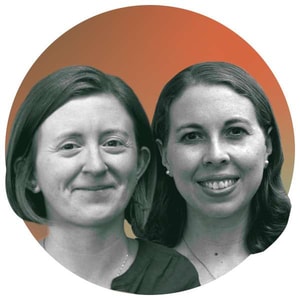
n this interview, Reverend Laura Randall and Heather Vickery of the Unitarian Universalist Service Committee describe their work with the Pink Haven Coalition — a network helping trans and gender expansive people relocate from legislatively hostile states to safer ones. Drawing on UUSC's origins aiding people from Nazi-occupied Europe, they reflect on mutual aid, faith-rooted resistance, and what sustainable coalition building actually requires.
This series is hosted by Míriam Juan-Torres and Laura Livingston.
Learn more about the (En)Gendering Authoritarianism project at: https://belonging.berkeley.edu/engendering-authoritarianism
Access the transcript here: https://belonging.berkeley.edu/podcast-religious-freedom-in-authoritarianism